
Climate Impact on Rentals & Why Investors Can’t Ignore the Shift
For numerous years, rental property maintenance followed relatively predictable patterns. This is particularly applicable to seasonal maintenance, which can be performed approximately at the same time annually. Currently, those assumptions are swiftly evolving, in tandem with our climate. Extreme weather and other climate shifts are changing how often rental properties need repairs, how long major systems can last, and how much investors must budget for regular upkeep.
The most formidable part of this issue is that the climate impact on rentals is not confined to a singular catastrophic event. It manifests through cumulative stress over time: progressively hotter summers, intensified rainfall, stronger storms, and variable winter temperatures that gradually result in increased wear and maintenance costs.
This signifies the following for rental property owners:
- Shorter replacement cycles for major systems
- More frequent inspections and preventative repairs
- Higher long-term operating expenses (if planning doesn’t adjust)
Sadly, disregarding changing climate trends might gradually diminish a portfolio’s profitability as time goes on. Consequently, investors must commence planning now to mitigate the impact our changing climate will have on their financial outcomes.
Key Climate-Driven Maintenance Challenges
If we think about how climate and the environment impact rental properties, it becomes obvious that our property exteriors will be the initial signs of increasing wear. However, significant systems are also prone to climate change trends. Some of the key maintenance challenges that investors need to know about include:
- Heavier Rainfall and Flood Risk: Increased rainfall exerts more pressure on roofs, gutters, drainage systems, and foundations. Properties beyond flood zones may nevertheless encounter moisture intrusion, resulting in mildew, wood decay, and structural concerns that raise maintenance costs.
- Rising Temperatures and Heat Stress: Elevated summer temperatures compel HVAC systems to work longer and harder. Roofing materials, sealants, and external finishes deteriorate more rapidly under prolonged heat and UV exposure, necessitating more frequent replacements and repairs.
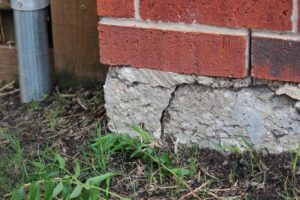
- Colder Extremes and Freeze-Thaw Cycles: In colder places, variable temperatures result in repeated freeze-thaw cycles. This results in fractured concrete, compromised brickwork, and frozen or burst pipes, repairs that can be costly and disruptive.
- Increased Storm Intensity and Wind Damage: Stronger storms present an elevated chance of siding damage, shattered windows, fencing complications, and downed trees. Even when insurance covers major events, deductibles and non-covered repairs continue to affect cash flow.
Due to these and other climate-related events, the additional stress of climate change quickens wear and tear and speeds up the aging process of building materials. Roofs deteriorate prematurely, outside paint deteriorates rapidly, and mechanical systems expire sooner than anticipated.
Over time, this accelerated wear compounds costs. What previously required maintenance every 10 to 15 years may now need attention much sooner, impacting long-term budgeting and investment return forecasts.
Real Estate Climate Upkeep Strategies That Protect ROI
In a climate-stressed environment, a reactive strategy to repair and maintenance incurs much higher costs. Emergency repairs, after-hours work, and tenant eviction contribute to concealed expenses that affect returns.
Preventive maintenance, conversely, fosters predictability. By promptly fixing minor concerns, property owners can extend and stabilize operating expenses despite fluctuating conditions.
A prudent strategy for real estate climate maintenance emphasizes resilience and prevention. Consequently, astute investors are progressively highlighting:
- More frequent inspections of high-risk areas
- Climate-appropriate materials and upgrades
- Improved drainage, ventilation, and insulation
- Timely repairs to avert weather-induced exacerbation
Collectively, these measures can help control costs and reduce surprise expenses.
Climate Trends Are a Maintenance Reality, Not a Future Problem
The climate-related impact on rental properties is already shaping long-term maintenance costs. Investors who acknowledge this shift now and plan accordingly will be better positioned to protect and preserve the value and cash flows of their assets. That’s because climate-aware maintenance isn’t optional; it’s strategic.
At Real Property Management Resources, maintenance planning reflects contemporary facts rather than outdated preconceptions. Your local experts in Mustang and adjacent areas are prepared to help. Contact us online today or call 405-787-4429 to see how our proactive, climate-aware maintenance solutions enable rental property investors to prepare with assurance.